General Description:

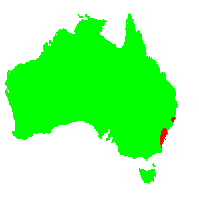
Banksia is a large genus of about 170 species in the Protea family, having been increased in size through the transfer of species in the former genus Dryandra to Banksia (see footnote box). The genus is almost exclusively Australian, being found in all States and Territories. A single species (B.dentata) is found in islands to Australia's north as well as in tropical Australia.

Banksia paludosa is a small to medium shrub and can be found in sizes ranging from prostrate to 4 metres in height. The leaves are elliptical in shape, deep green on top and silvery below. The flowers occur in narrow spikes which are typically about 100mm long, 70mm wide and pale yellow in colour. The seeds are enclosed in follicles attached to a woody cone and are generally retained within the cone until burnt.

Two subspecies of B.paludosa are known: subsp.paludosa and subsp.astrolux. The main difference between the varieties is the lack of a lignotuber in subsp.astrolux. That variety may also be taller growing. Subsp.astrolux is confined to a small area near the Nattai River in the southern highlands of New South Wales.

Despite its common name few populations of B.paludosa occur in swampy areas. They are not demanding in regard to soil types but waterlogged ground should be avoided. B.paludosa has proven to be reliable in a wide range of climates and garden conditions and is best in full sun or dappled shade. Some low growing forms are becoming available and these form a very attractive garden plant with well displayed flowers. The adaptability of B.paludosa subsp.astrolux to cultivation is not known at this stage.

Propagation from seed or cuttings is relatively easy.

A similar species is B.oblongifolia which is found in eastern New South Wales and southern Queensland.
Transfer of Dryandra to Banksia
A paper published in 2007 proposed that the genus Dryandra be subsumed into Banksia. This revised classification has been accepted by the Council of Heads of Australasian Herbaria and the new Banksia names now appear on Florabase (the website for the Western Australian Herbarium) and in the Australian Plant Census.

The new classification has come in for some criticism but, as the Australian Plant Census has been adopted as the authority on plant names by ANPSA, the revised classification has been accepted on the ANPSA website. The previous Dryandra names will also be mentioned where appropriate. For further information refer to our Banksia page.


Plant profile image

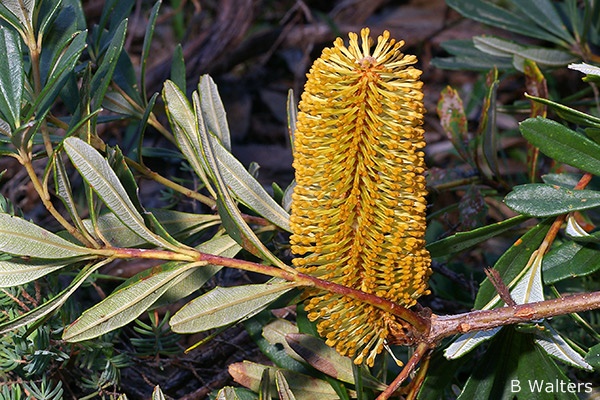
Banksia paludosa subsp. paludosa in bud. 
Photo: Brian Walters
Plant profile image

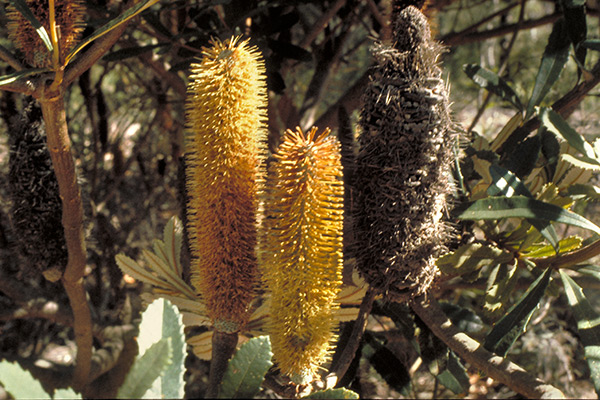
Banksia paludosa subsp. astrolux
Photo: Brian Walters
 

Other Native Plant Profiles

idn poker istanaslot istanaslot sohibslot idn poker idn poker slot gacor situs toto situs toto italia188 totowin88 sohibslot sohibslot tikus4d spbu777 permata888 AMANAHTOTO istanaslot istanaslot istanaslot juraganbola slot gacor mabestogel garuda4d udintogel hometogel ziatogel dingdongtogel yoktogel mybet188 permata88 sumbartoto toto situs toto coloktoto istanaslot RP888 parlay tikus4d misterhoki cuanwin77 spade88 premantoto situs slot slot gacor pakde4d Jinhoki PREMANTOTO PAKDE4D SLOT GACOR SLOT GACOR slot gacor slot slot88 slot gacor latoto dingdongtogel bandar80 SAPITOTO slot gacor